


Course Description
The studio focused on one of the most urgent climate, environmental, and urban challenges we face today: heat and urban growth. Combining research and design, the studio presented a pedagogical model that brought together architecture and planning students to work together around a shared urban challenge where professional lines are blurred. As population increased in the Phoenix, Arizona metro area, water resources and heat impacts were pushed to their limits. The goal of the course was to create a new set of block and streetscape typologies to reimagine intergenerational housing and universal access to autonomous mobility to create a cooler, safer, and healthier living environment for the future.
Impact
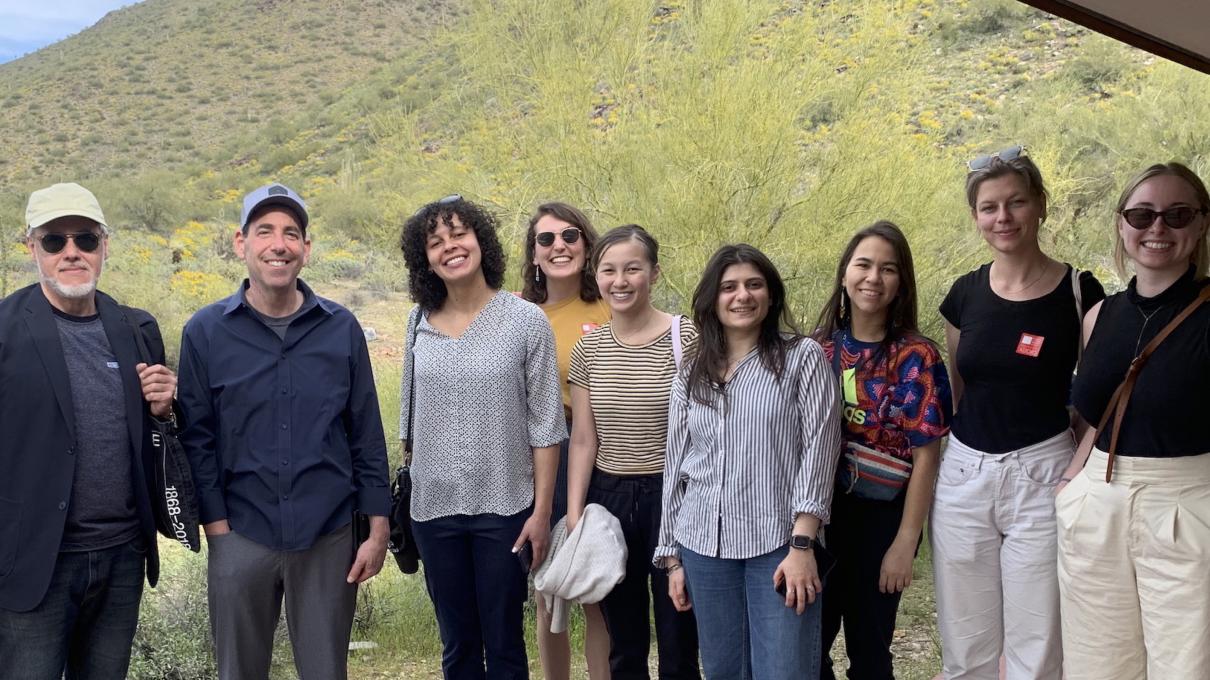
The City of Phoenix and its Office of Heat Response and Mitigation asked MIT to consider three problems facing sunbelt cities as they continue to grow rapidly: 1) affordable infill housing, 2) heat island effects, and 3) better access to multiple modes of transportation. Through site analysis, precedent research, a study trip to Phoenix, and conversations with stakeholders, students and faculty delivered a set of urban design proposals that reimagined how new landscapes, infrastructures, and housing typologies can be combined for a better living environment. Moreover, the studio sought to consider how these solutions could be applied to other cities as temperatures rise globally.
- Image
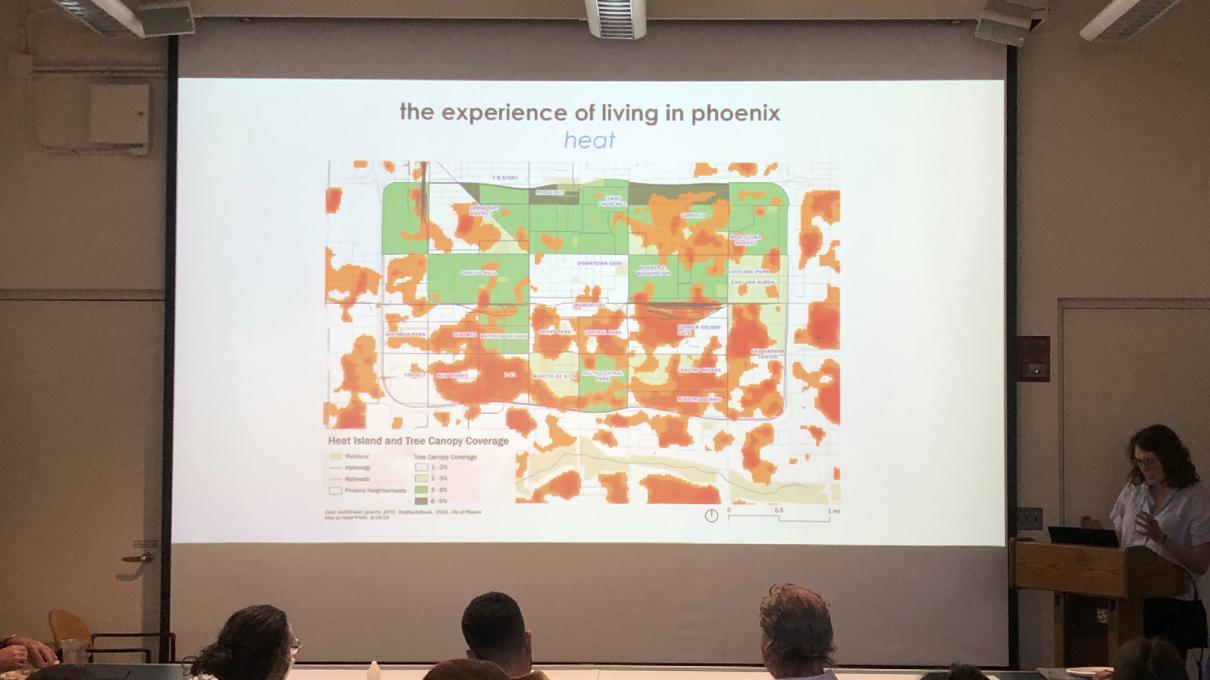 Course participants share their findings at a seminar at MIT.