


Course Description
The Design-Politics of Inhabited “World Heritage” Sites Seminar was selected as the inaugural course funded by the Charles Correa (1955) Fund for Housing and Urbanization. The course ran in Spring 2024 and explored the ways that urban design politics infuse the urbanization of inhabited places that have been recognized by UNESCO as World Heritage sites in the Global South. Increasingly, the heritage value of urban centers is being recognized by global institutions such as UNESCO and also state actors, heritage experts, and local resident communities. However, the designation of living residential environments as heritage is regularly accompanied by socio-cultural and economic implications that communities are ill-prepared to anticipate and address.
Impact
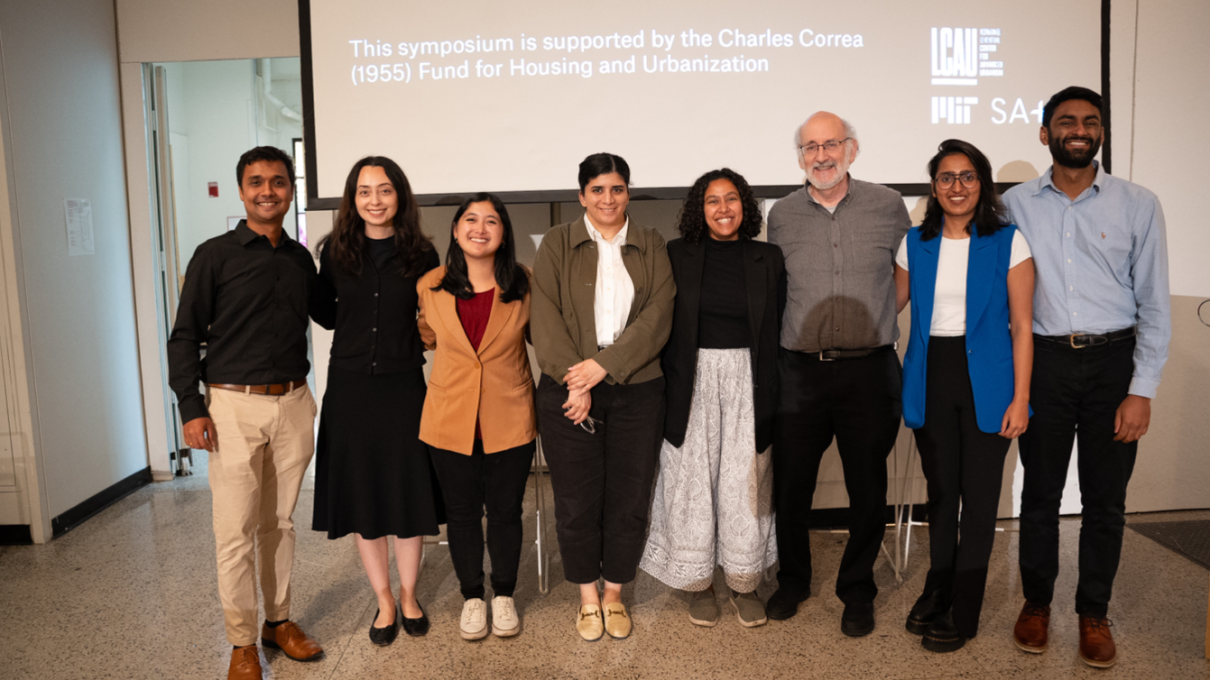
By exploring a range of cases, student investigations into this topic sought to improve and inform conservation and planning practice in these contexts to enable more just outcomes. To this end, students received $1,500 travel grants to visit and conduct onsite research at their specific case study locations. Featured locations included Qila-Raipithora in Delhi, India; Stone Town and Ng’Ambo in Zanzibar; Cape Coast, Elmina, and Accra in Ghana; Bukhara, Uzbekistan; several sites in Nepal; and Tana, Madagascar, among others. The course concluded with a symposium in Fall 2024 where a selection of students shared their research.